Making Data-Driven Decisions in School Management

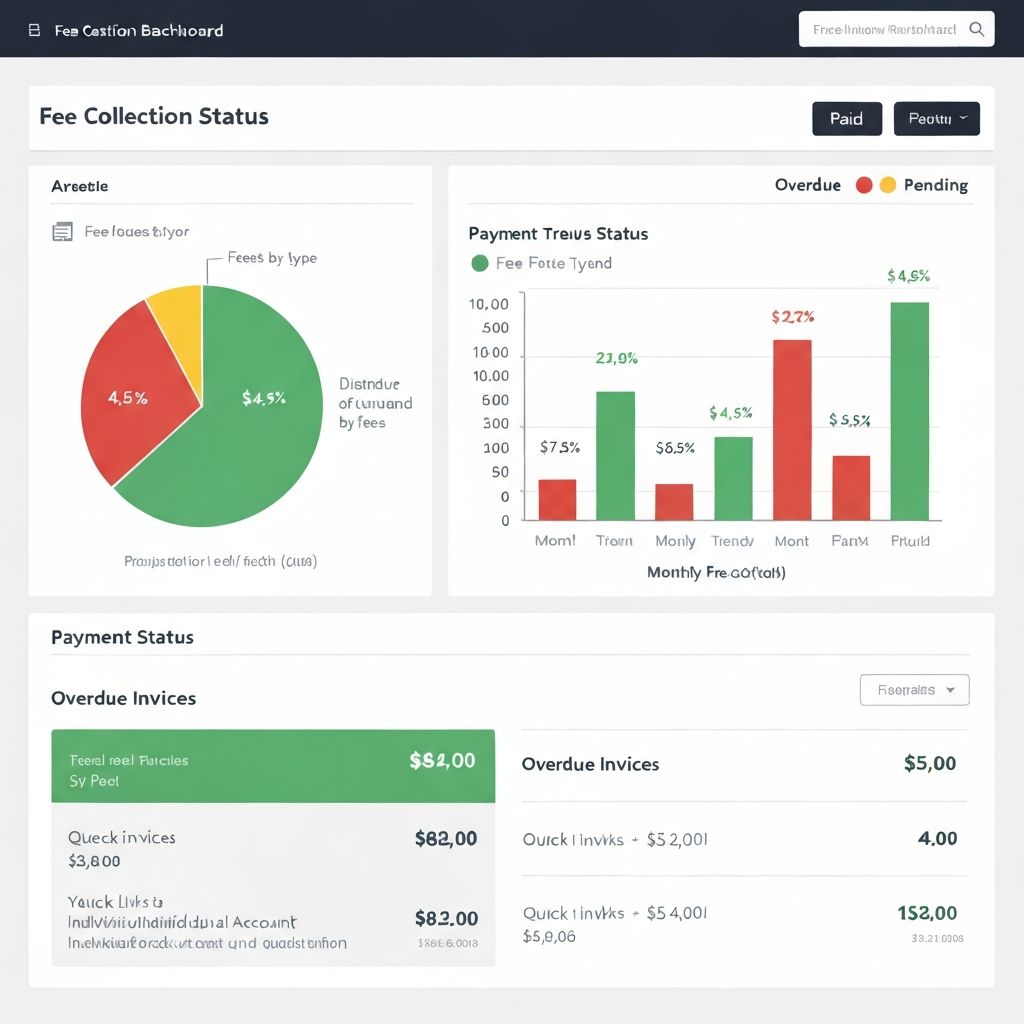
Gut instinct has its place, but data-driven decision making transforms good schools into great ones. Here's how to harness the power of data without becoming overwhelmed by numbers.
Start with Key Metrics
Don't try to track everything. Focus on metrics that actually drive outcomes: attendance rates, fee collection efficiency, parent engagement levels, and student performance trends. These core indicators tell you what you need to know.
Look for Patterns, Not Just Numbers
A single day's attendance figure means little. But a trend showing declining attendance in 8th grade over three months signals a problem that needs investigation. Learn to spot patterns in your data.
Use Data for Early Intervention
The real power of data isn't in reporting what happened—it's in predicting what might happen. Students showing declining attendance and grades need support now, not at the end of the term.
Make Data Accessible
Principals shouldn't be the only ones with access to data. Teachers need class-level data. Parents need information about their children. When everyone has the right data, everyone can take action.
Combine Multiple Data Sources
The most valuable insights come from connecting different data points. How does attendance correlate with academic performance? Do fee payment patterns relate to parent engagement? These connections reveal opportunities for improvement.
Act on What You Learn
Data without action is just numbers. When your data shows a problem, develop a specific intervention and measure whether it works. This creates a cycle of continuous improvement.
Conclusion
Data-driven decision making isn't about becoming cold and impersonal—it's about making better decisions that help more students. The schools that excel are those that combine data insights with human compassion.