Why School ERP is Essential for CBSE Schools in 2026


As CBSE schools prepare for Class 10 and 12 practical exams in 2026, the complexity of school management is reaching an all-time high. With new board guidelines and the rapid evolution of educational standards, traditional management methods are no longer sufficient.
The Changing Landscape of CBSE Education
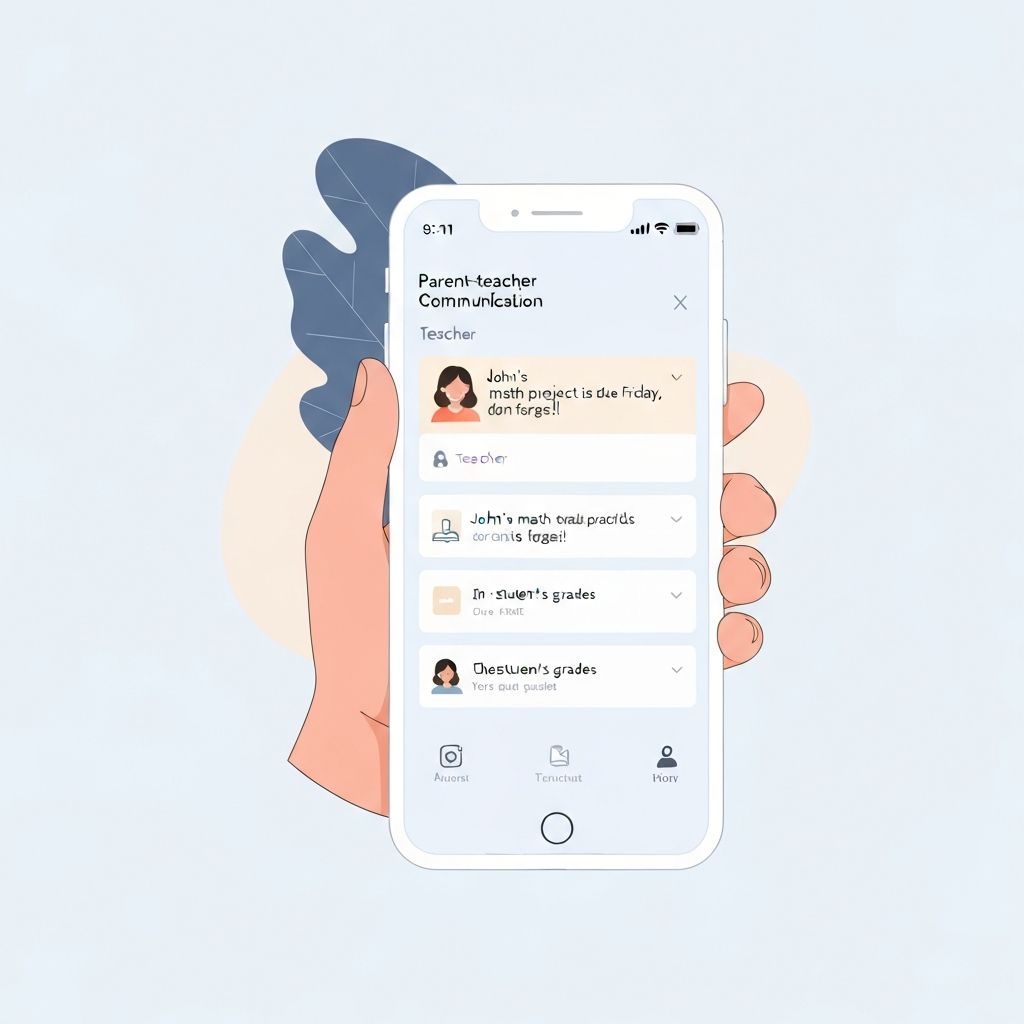
The introduction of AI curriculum from Grade 3 onwards in the 2026-27 academic year has pushed institutions to adopt technology-enabled learning environments. Moreover, research indicates that effective parent-teacher collaboration significantly impacts student performance—which in simple terms means schools that communicate better with parents see better student outcomes, fewer conflicts, and higher trust.
Many institutions have already transitioned from traditional teaching methods to AI-powered platforms that assess individual student strengths and learning patterns. The best ERP software in India now offers cloud-based portals for 24/7 access to educational resources, eliminating excessive paper use and promoting digital collaboration.
Key Features of Smart School ERP Software
Smart ERP solutions are changing how CBSE schools operate by automating critical processes. Today's best ERP software in India combines AI-powered analytics with robust management tools, creating comprehensive digital ecosystems.
1. AI-Powered Analytics
Dashboards display attendance patterns, fee payments, teacher performance, and resource utilization in real-time, enabling data-driven decisions. Facial recognition technology streamlines attendance processes with contactless, secure tracking that updates records automatically.
2. Comprehensive Fee Management
Modern school ERP software generates invoices, processes online payments, and sends automated reminders for outstanding dues. Digital notice boards replace manual distribution with centralized, instant announcements delivered through web portals and mobile apps.
3. Integrated Learning Ecosystems
Integration between ERP and Learning Management Systems eliminates data silos—when a student registers for a course in the ERP, they automatically gain access in the LMS. Student Information Systems centralize all student data, offering secure access to records like contact details, attendance, grades, and enrollment information.
Benefits for Stakeholders
The value of the best ERP software in India extends beyond the institution itself to benefit all stakeholders in the CBSE school ecosystem.
- For Teachers: Dramatically reduces administrative workload (up to 30-40% of their time), allowing them to focus on classroom creativity and teaching excellence.
- For Parents: Unprecedented visibility into their child's education journey, with instant notifications about attendance, academic performance, and fee deadlines.
- For Administrators: Centralized dashboards that unify previously siloed departments, enabling faster decision-making and increased operational efficiency.
Conclusion
In 2026, ERP adoption is no longer about convenience or efficiency — it is about institutional readiness. CBSE schools are operating in an environment of continuous compliance, digital assessments, and increasing parent expectations. A modern ERP system is no longer an optional software purchase; it is the operational backbone of a future-ready school. Schools that invest in this foundation today will not just manage better — they will compete, scale, and deliver better outcomes tomorrow.